

IT | EN







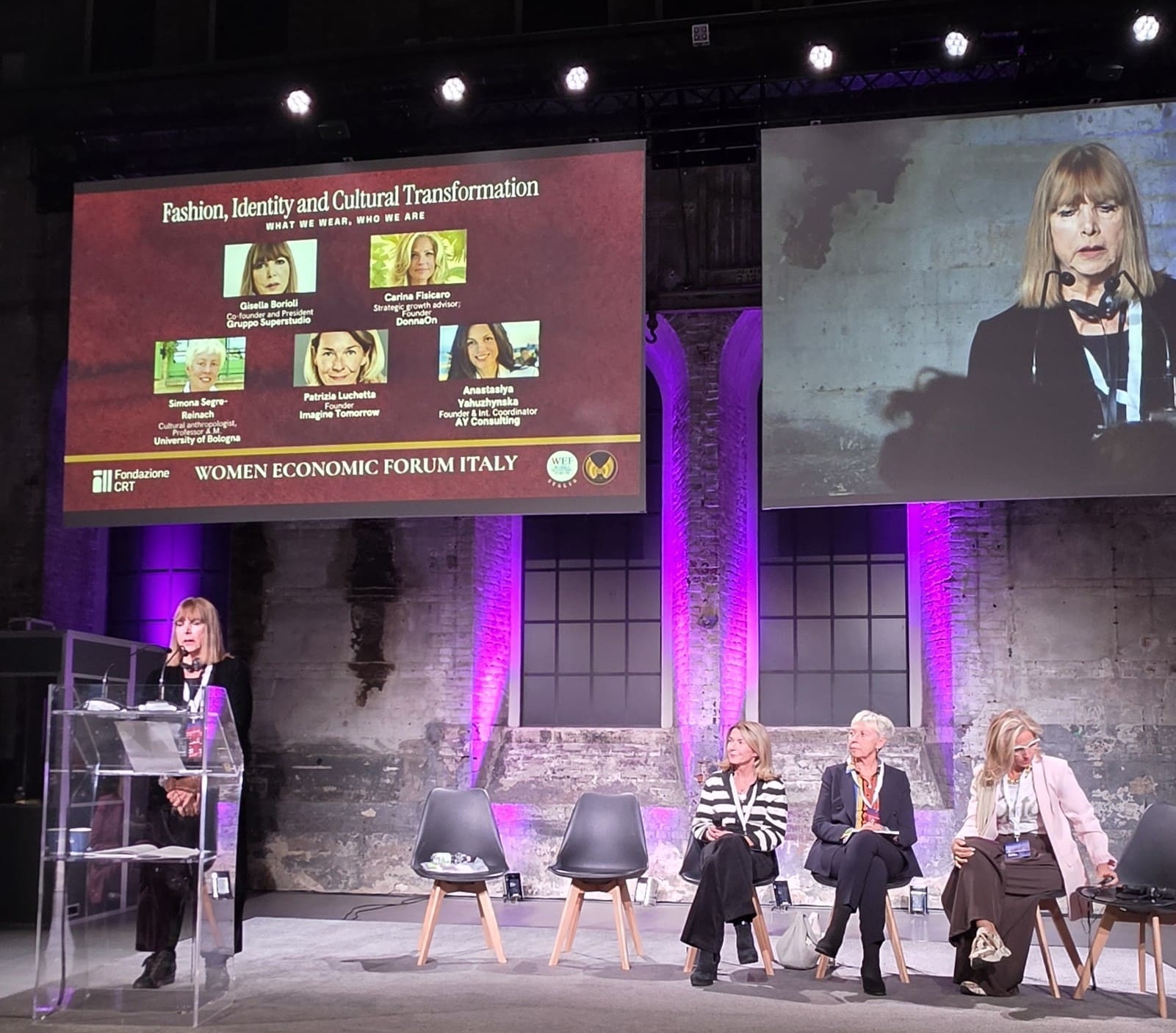
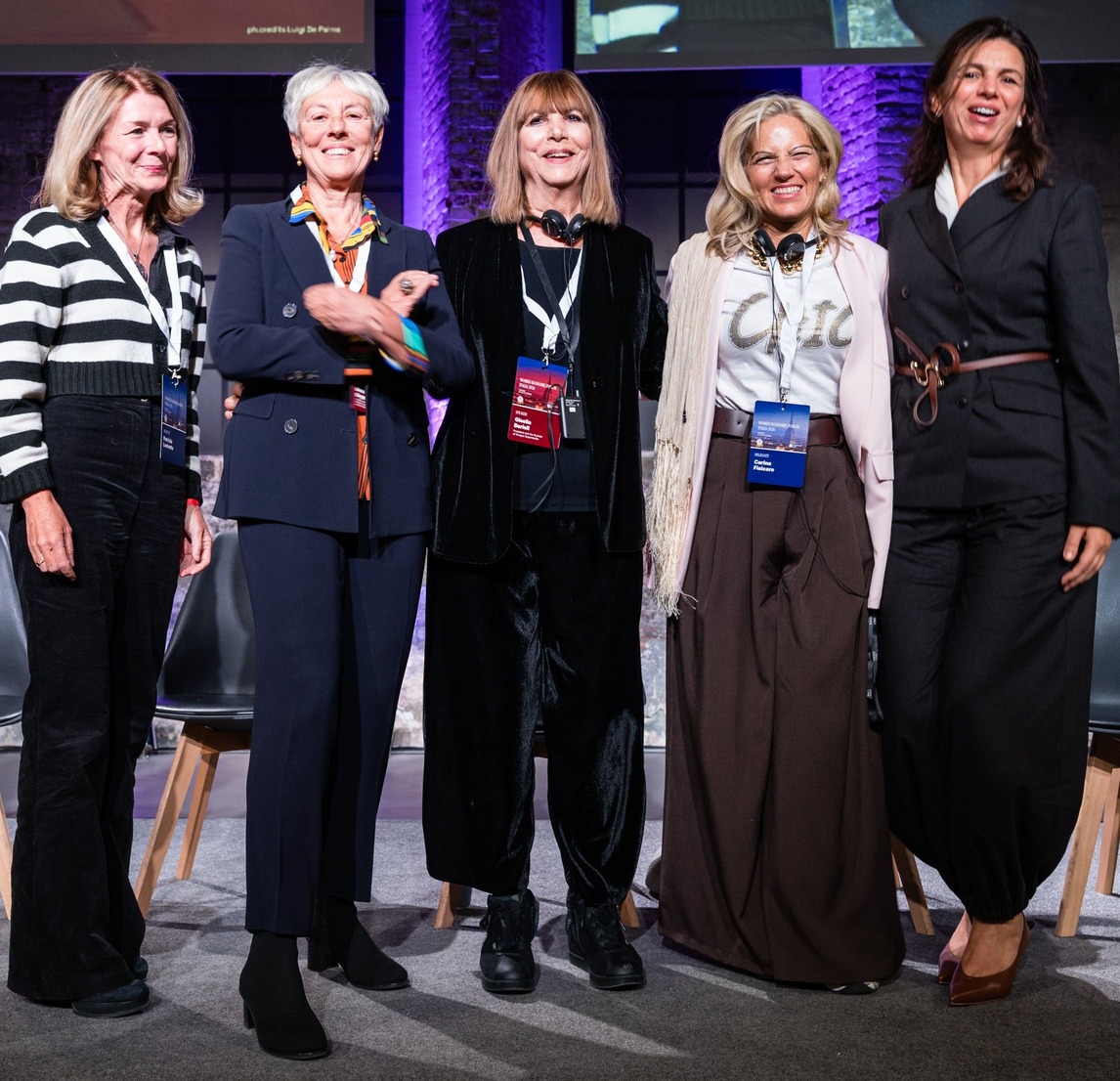
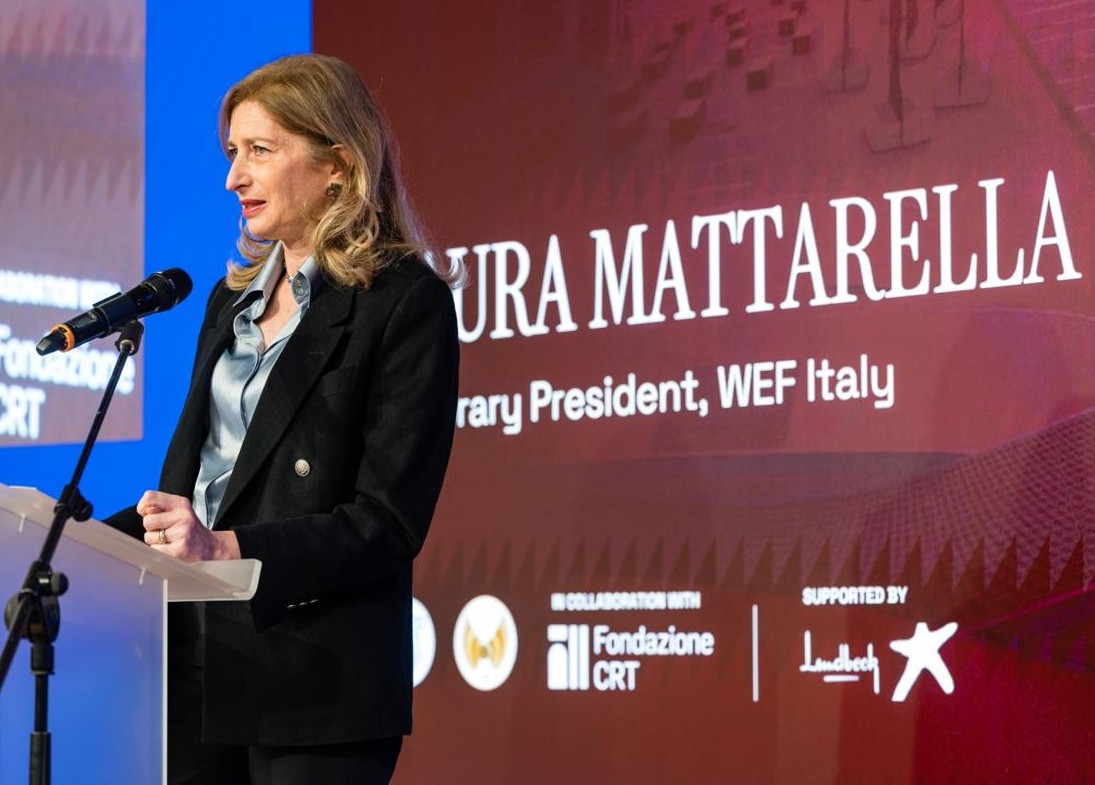
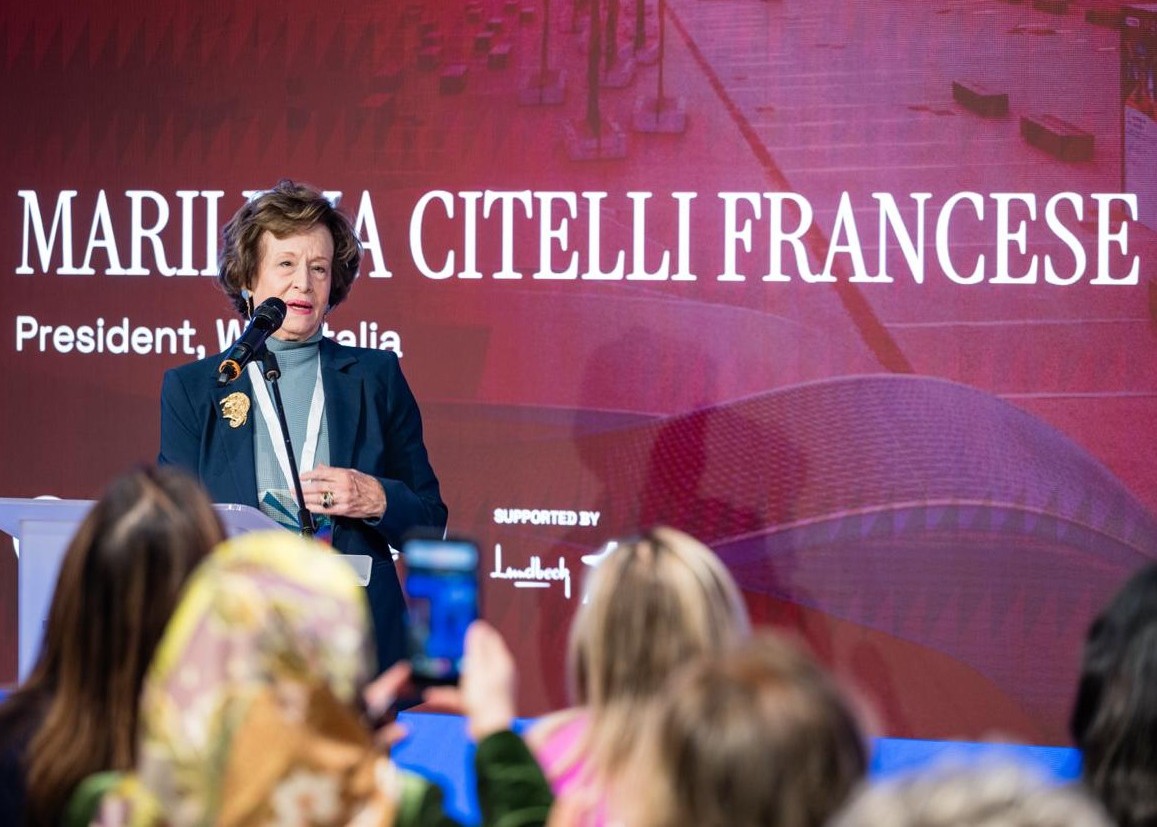
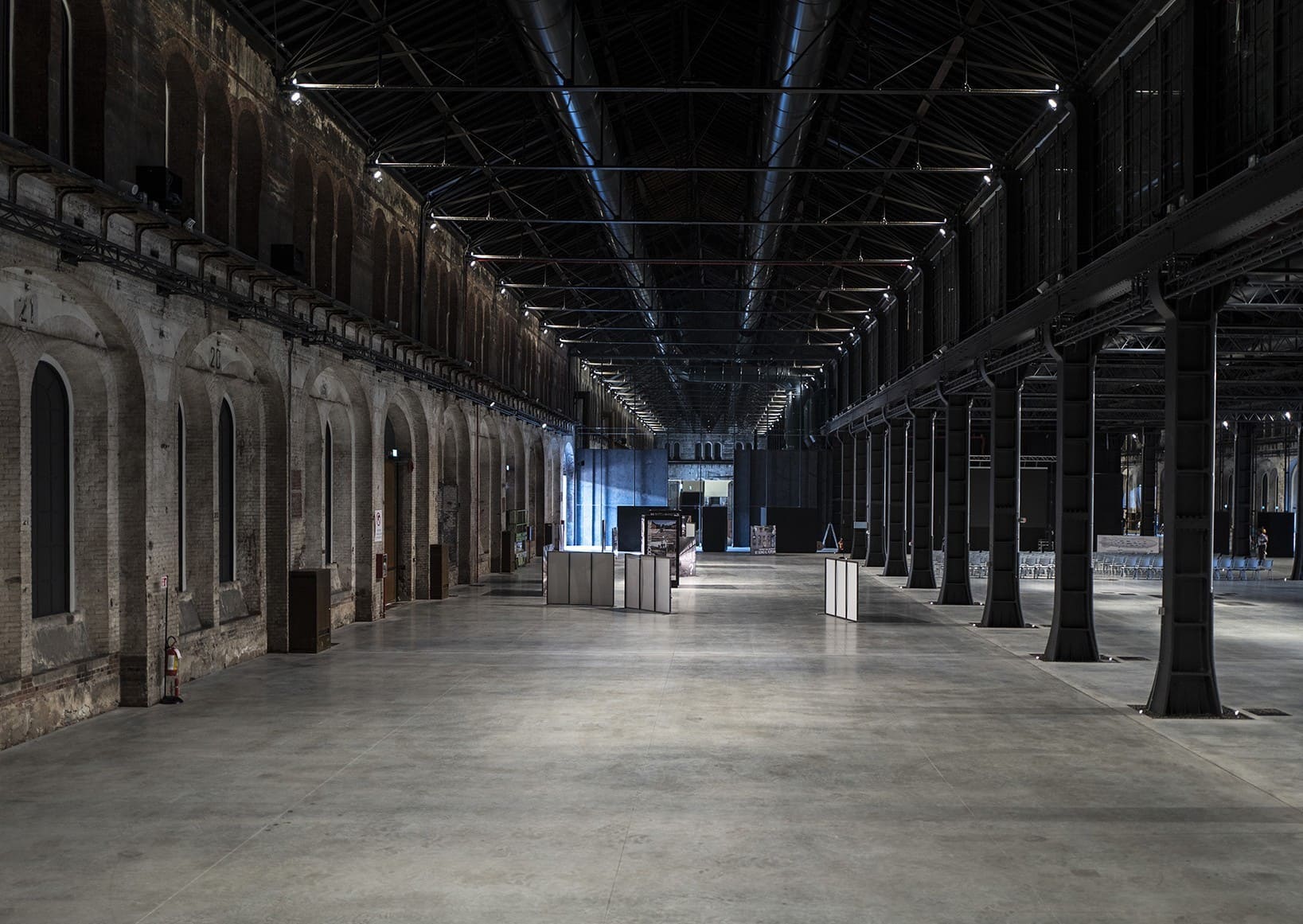
The Women Economic Forum Italia 2026 concluded yesterday in Turin after three days dedicated to female leadership and women’s contribution to economic, social and cultural change. It was an opportunity to share experiences and perspectives, giving greater visibility to women who, through their work and businesses, have already helped change the world we live in. Chaired by Marilena Citelli Francese, the Forum brought together prominent figures from institutions, business, science and culture, addressing topics such as artificial intelligence, the future of work, health, sustainability and the evolution of fashion. Among those in attendance were Laura Mattarella, President of the Honorary Committee, who highlighted how artificial intelligence could help address the gender gap, alongside Ersilia Vaudo of the European Space Agency and Donatella Sciuto, Rector of the Politecnico di Milano. At the heart of the discussions was the need to recognise expertise, broaden access to decision-making roles and foster women’s increasingly influential participation in economic, social and cultural processes. Among the speakers was Gisella Borioli, founder and president of Superstudio Group, as well as a journalist and fashion expert. She was invited to moderate a discussion on the relationship between clothing, identity and cultural transformation, drawing on her recognised ability to anticipate change, highlight experience and create opportunities for dialogue, while keeping emerging talent in view. Ideas need people who can recognise their potential, but they also need spaces that can welcome them and bring them into dialogue. Some of the Forum’s events took place at OGR Torino, an extraordinary example of nineteenth-century industrial architecture transformed into a hub for culture, creativity and innovation. As an architect, it is difficult not to be struck by this transformation: a building once used to repair locomotives has become a place where ideas, visions and possibilities travel. Architecture, too, helps shape the content of an event: it creates connections, encourages encounters and can open up new perspectives. Is this not, in its own way, also a way of building the future? The Women Economic Forum brings to the forefront a question that concerns us all: how a society recognises the value and authority of those who help transform it. Because the path towards equality is not only about making new achievements possible, but also about fully acknowledging those that have already been made. How much could our future change if we truly learned to listen to the women who have already begun to build it?