

IT | EN







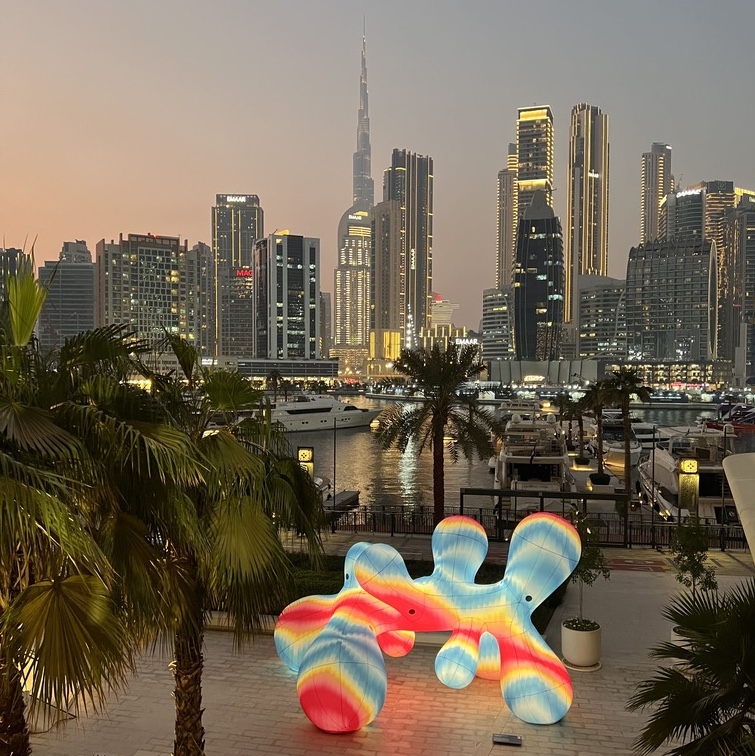
Unlike Milan's Tortona district, where creativity flourished spontaneously, here design was planned, financed and built. At a speed that seems to be the Emirates' true trademark.
I have witnessed this extraordinary pace of transformation since 2007, when, during an exploratory trip, I decided to invest in a seaside apartment after seeing little more than a huge hole in the ground, an architectural rendering and a remarkably realistic, two-metre-high scale model of a skyscraper that would eventually rise to one hundred storeys.
In 2012, I attended the inaugural edition of Design Days Dubai at the Madinat Hotel, a small but ambitious fair dedicated to collectible design. In 2013, Downtown Design arrived, focusing on contemporary furniture, while plans were announced for the Dubai Design District, soon to become known as d3.
I was there. In 2013, I was invited as a special guest to bring a taste of Superstudio to Design Days Dubai. I selected a series of original, imaginative pieces from different companies, all strictly in black and white. And instead of enclosing the stand within the usual four walls, I used the large black MyFlower pieces designed by Flavio Lucchini for Slide, arranged to create a kind of sculptural enclosure. An artistic boundary rather than an architectural one. Already a small manifesto of our unconventional approach to design. I was also invited to the highly exclusive closing dinner, where projects, visions and dreams seemed to mingle in the air.
Shortly afterwards, the promoters of the emerging Design District approached me with an invitation to become its Ambassador in Italy. A fascinating opportunity, but far too demanding for someone already busy growing Superstudio. Nevertheless, I was determined to build a bridge between the two cities.
At Superstudio in Milan, I organised a convention entitled “Milan-Dubai. From Expo to Expo: The Time Is Now!”, inviting around 200 leading Italian companies to discover the project directly from Dubai's representatives. Milan was preparing for Expo 2015, while Dubai was already looking ahead to Expo 2020.
We ended up celebrating together in the garden, raising our glasses beside an enormous cake that perfectly reproduced the Burj Al Arab, the famous sail-shaped hotel. A sweet finale that sealed a friendship and a very special relationship.
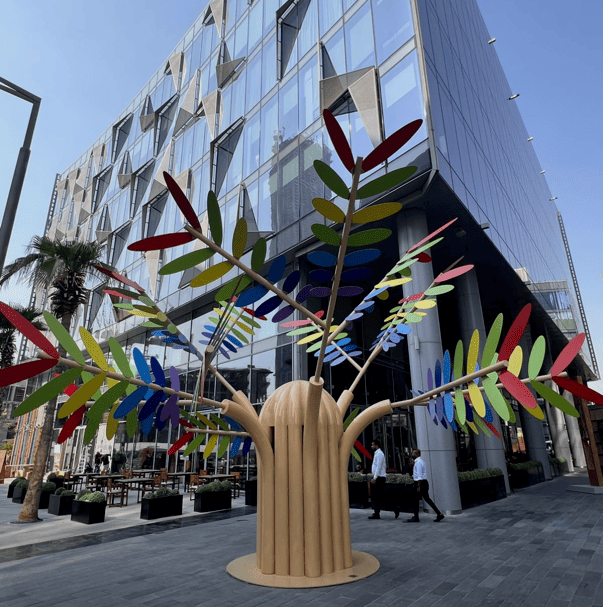
In 2015, d3 officially opened and the Dubai Design Week was born. No longer just a trade fair, but an entire programme of exhibitions, installations, talks and events that placed design and creativity at the heart of the city's cultural life. Schools, galleries, showrooms, fashion boutiques, leading architectural practices, enticing restaurants, installations and foundations have made it a unique destination.
Since then, I haven't missed a single edition, keeping in touch with the key figures from those pioneering years, even though my commitments at Superstudio no longer allowed me to collaborate actively. And I had another reason to keep returning: in 2013, my daughter Gaia had moved to Dubai with her husband and three children, who are now almost grown up. The children were growing, the city was growing, and so was my amazement at finding myself right in the middle of the future.
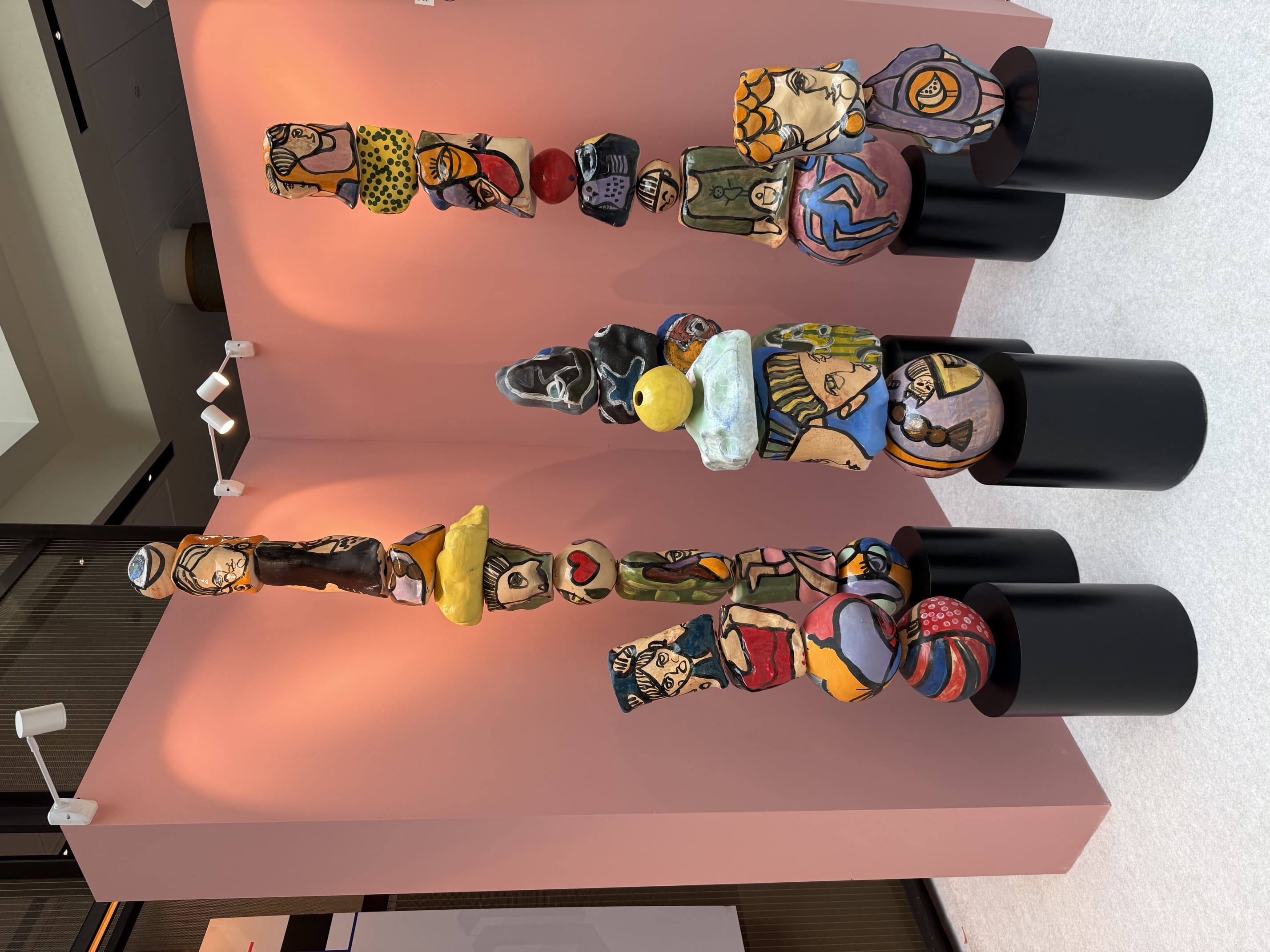
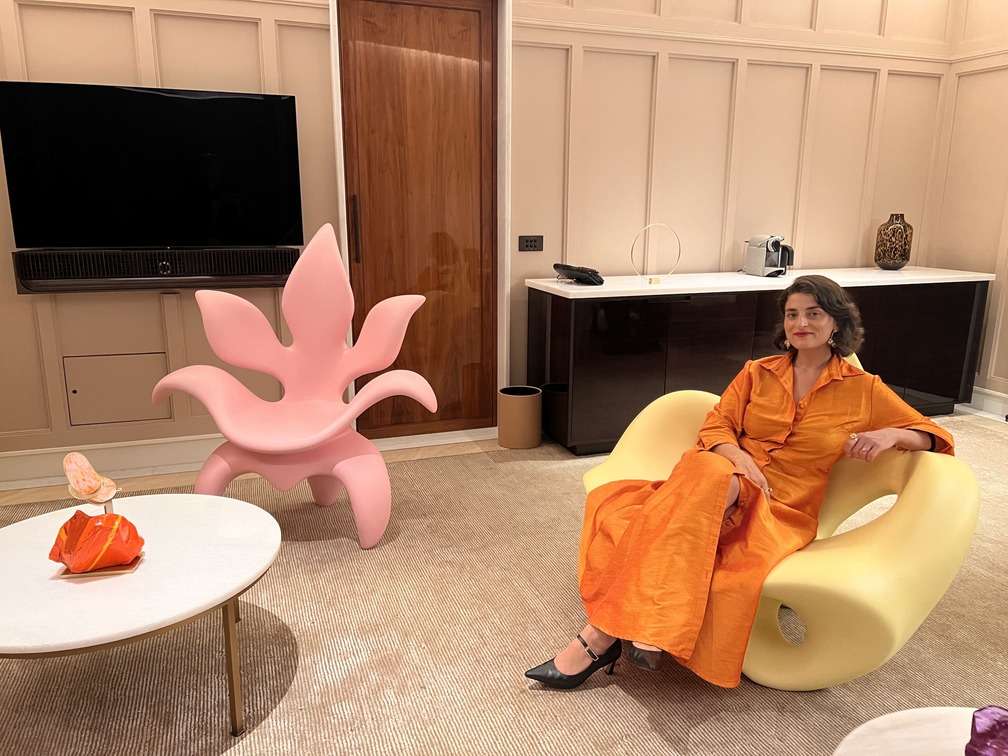
And today? Design is beginning to move beyond its own district. The Dubai Design Week 2026, held in November, confirmed d3 as the heart of the event while opening up an entirely new creative geography. The initiative came from Isola Design Group, born in Milan and now an established player on the international design scene, which brought extraordinary exhibitions and imaginative installations to Marasi Bay, in the Business Bay area, extending the experience to the waterfront and the spaces of the prestigious The Lana hotel. An initiative that, although developed in a very different way, recalls our own citywide Fuorisalone. Milan spontaneously transformed former factories and entire neighbourhoods into design destinations; Dubai creates new scenarios through major real estate developments, investment and international collaborations.
Two different models, one shared intuition: design is not simply about objects, but about imagining and transforming the city. And as Dubai continues to invent new futures for itself, I like to think back to that first little black-and-white installation in 2013. After all, even the greatest transformations often begin on a small scale, with an idea that is just a little outside the box.
-1.jpg)