


IT | EN







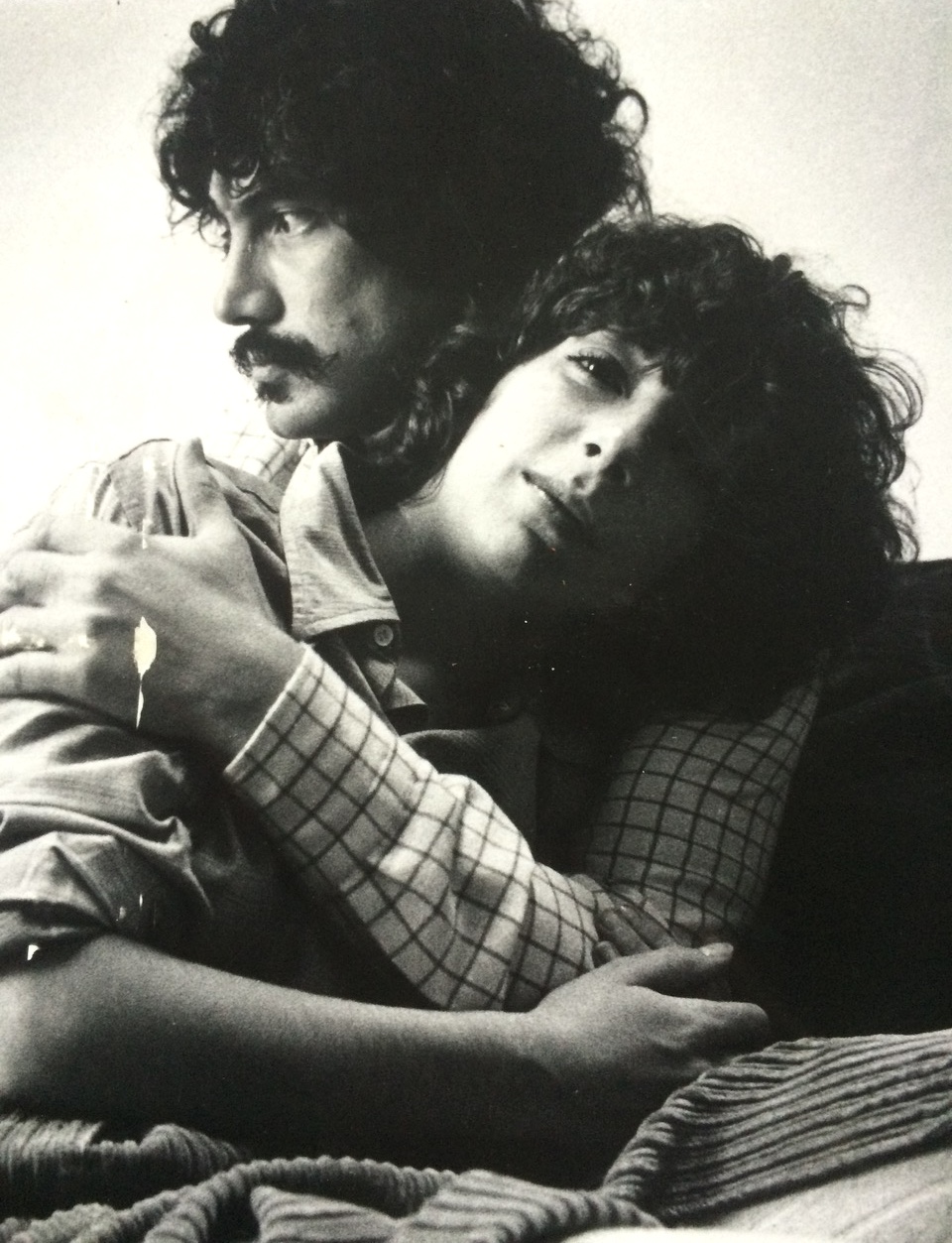
At the admissions desk of Milan’s Società Umanitaria, where he dreamed of enrolling in graphic design classes, the course was already full and inaccessible. Someone suggested photography instead: there were still places available, and photography was certainly not considered fashionable at the time.
That was the beginning of the professional journey of a man who contained multitudes, often contradictory ones: reserved yet impetuous, voracious yet disciplined, possessive yet detached. From his Sicilian father came his fiery temperament — difficult in relationships and hungry for life. From his Swiss-French mother came elegance, discreet charm, and the refinement of someone who loves beauty without needing to display it.
He was shy. Shy, yet drawn to challenges.
After apprenticing as an assistant, he accepted his first real assignment as a photographer for Panorama, then one of Italy’s most prestigious magazines. There were many reportages, but Giuseppe — perhaps because he was both shy and audacious — loved people. He loved understanding whoever stood before him, and whenever he was asked to shoot a portrait, perhaps even a Panorama cover, he became someone else entirely.
He used to say: “Something has to happen between the camera and the subject — a feeling, a reaction — otherwise you’re just taking passport photos. Some photographers intimidate, others seduce. I make people laugh. I don’t just try to put my subjects at ease: I want to become their friend, I want to know them — and I think and prepare beforehand — and I want to entertain them. I want to capture the moment when they are free of filters and defenses, when they are true. I’m not one of those photographers who shoots endless rolls of film hoping a good picture will emerge somewhere. One click is enough for me to capture a glance, the curve of a smiling mouth — an emotion. To provoke it, I invent everything: I talk, joke, laugh, tease kindly, compliment them… in short, I become a bit of a clown. And the person in front of me always gives me the right shot.”
Giuseppe was trilingual: besides his native Italian, he spoke French (thanks to his mother Odette) and English (through his passion for jazz and much more). His mind was naturally open and receptive. He listened carefully to advice and opinions — only to do something entirely different, sometimes the exact opposite, and he was almost always right.
Meticulous to the point of obsession, he developed a highly personal technique for processing and printing his photographs — almost always black and white — unique and difficult to imitate. He could spend entire nights working on prints. The joyful reaction of the person portrayed upon seeing their photograph was what he considered his true reward.
In his home-studio in Santa Maria Fulcorina, in the center of Milan where he lived for more than forty years, despite considering himself pathologically shy, there was a constant flow of friends and acquaintances. Sitting on his black leather sofa, he could spend entire nights recounting the most delicious anecdotes from his encounters, especially those involving jazz musicians — his greatest passion.
He worked in New York for ten years. He had already begun photographing Pop Art artists and jazz musicians years earlier, but living in a city where you could encounter them on every street corner was another matter entirely. A young Anna Wintour once tried to steer him toward fashion photography, but Giuseppe was indifferent to clothes; he did not understand them. What interested him was what lay beneath, beyond the body: he was searching for the soul.
Giuseppe drew a boundary between the “beautiful and silent” photograph and the “true and speaking” photograph.
Today there are extraordinary professionals capable of producing stunning images, but photographing a person’s soul is difficult — and exhausting. It requires time, commitment, and imagination. An invaluable task.
For this reason — and many others — Giuseppe Pino, the photographer, remains and will remain, for a long time to come, unique.