

IT | EN







The Superstudio Group “system” in Milan is fueled by a wide range of interests connected to creativity, art, culture, as well as hosting the most innovative international events. Author photography and fashion — reflections of contemporary life — were the original reason behind its creation and the very essence of its first venue, Superstudio 13, still active after more than forty years and continuing to stand as a fundamental hub for imagery in all its forms.
Its studios — which have welcomed legends such as Helmut Newton, Avedon, Toscani, Bailey, Ferri, and many more — have long been frequented by the world’s most influential photographers, major creative talents, celebrated personalities, and visionary art directors, as testified by the long mural of faces at the entrance.
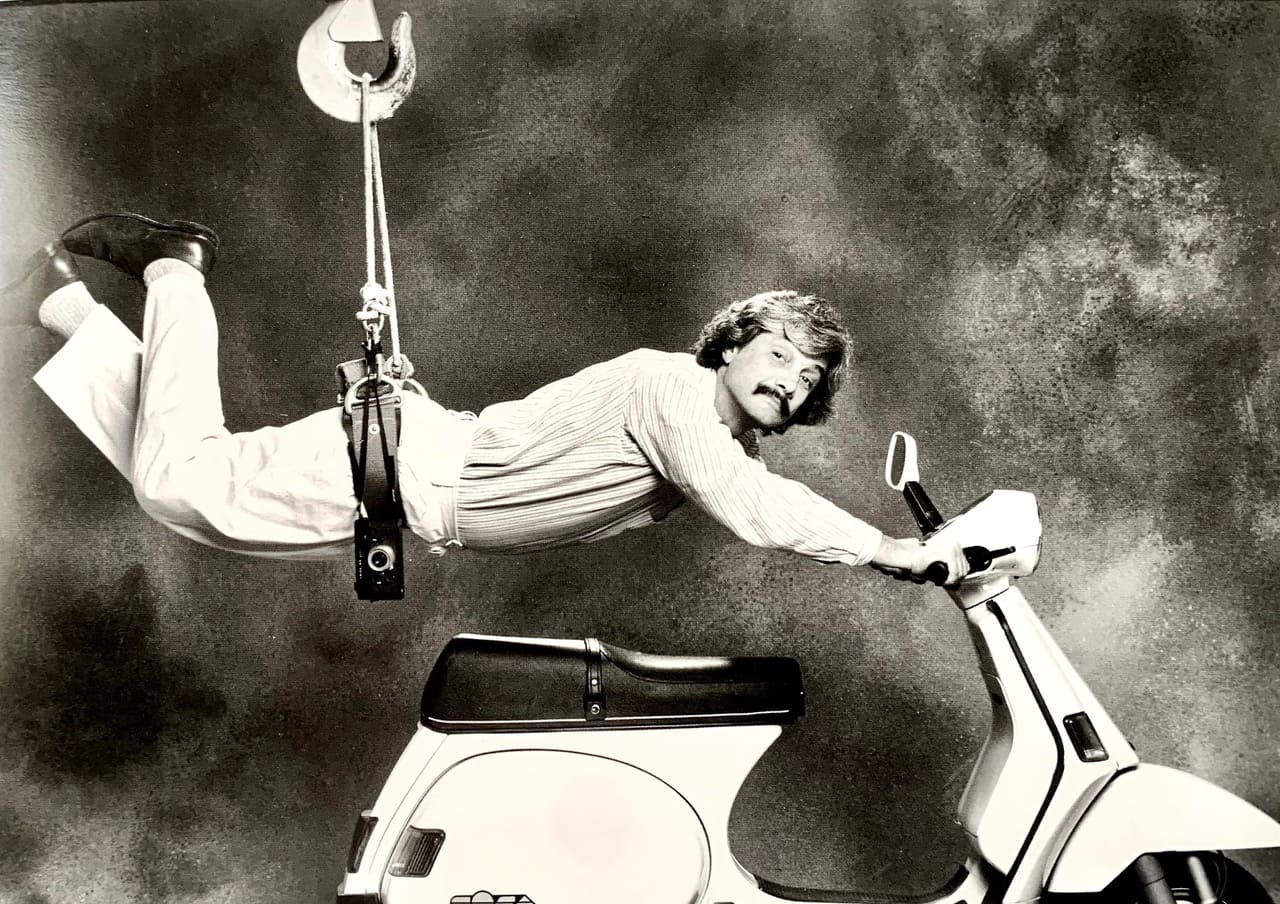
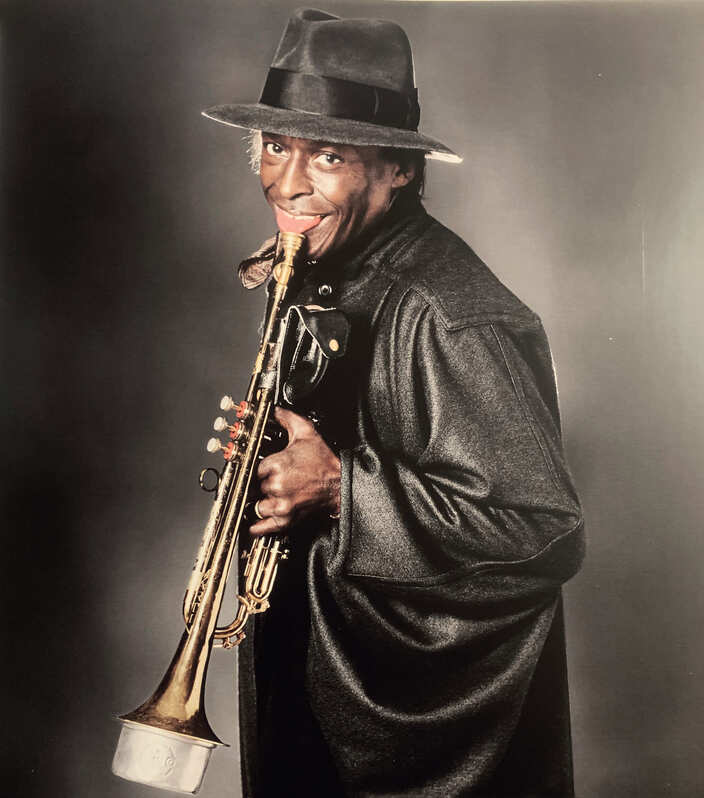
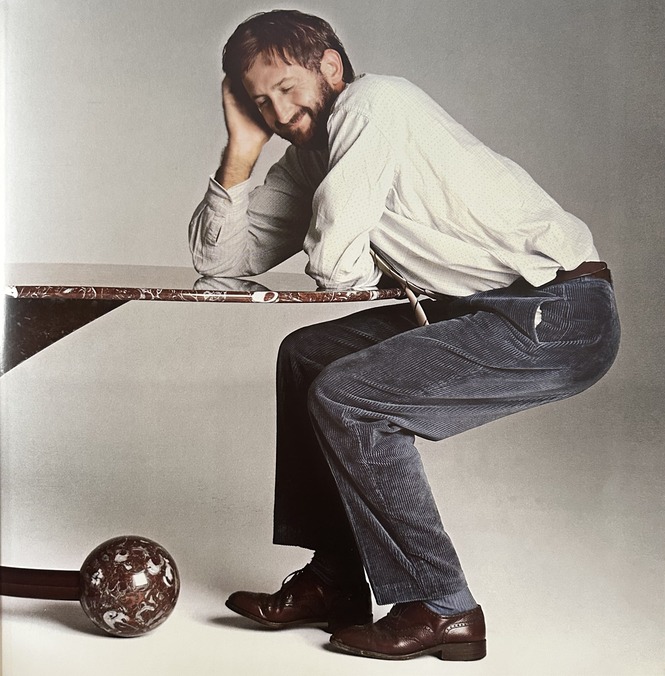
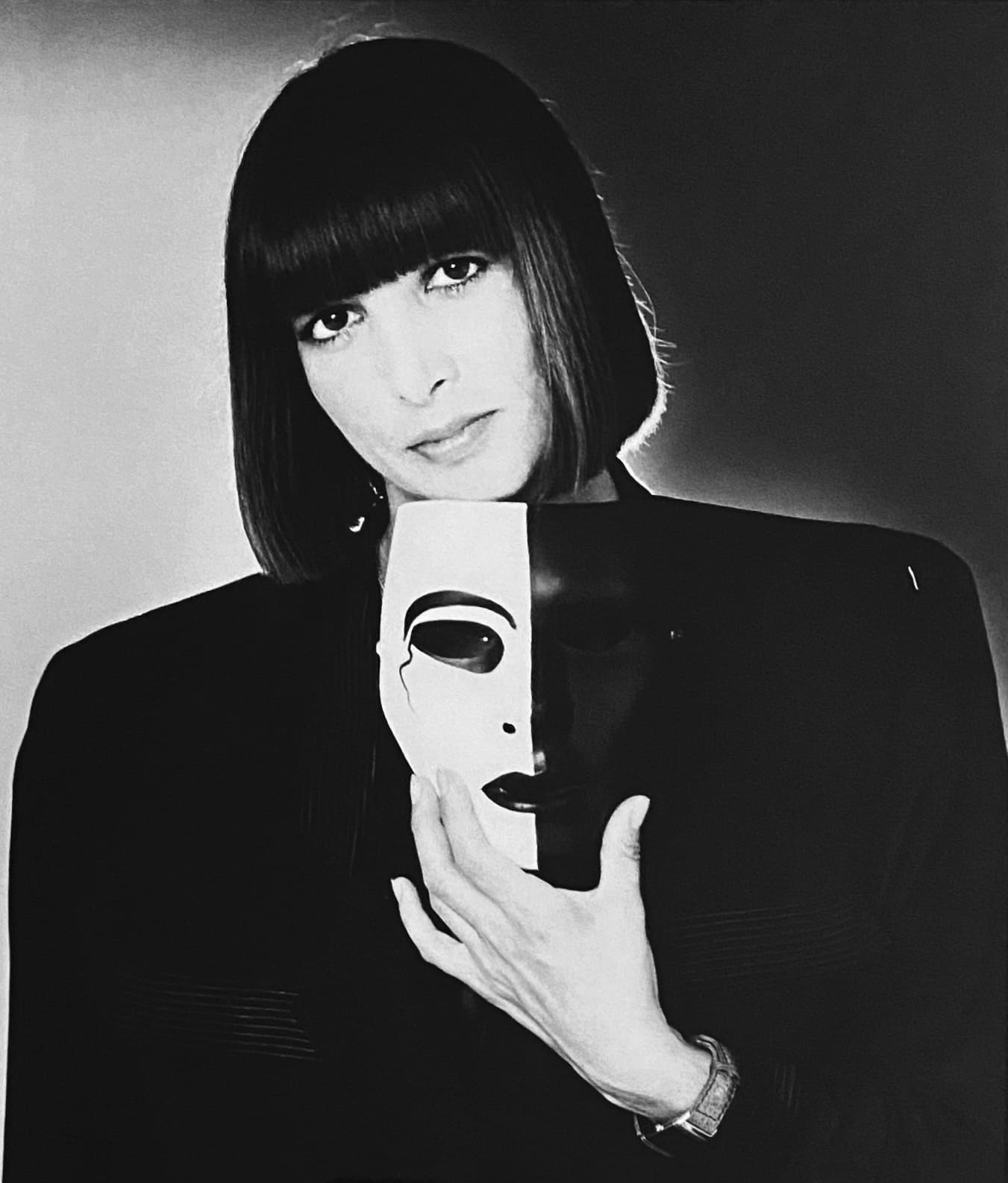
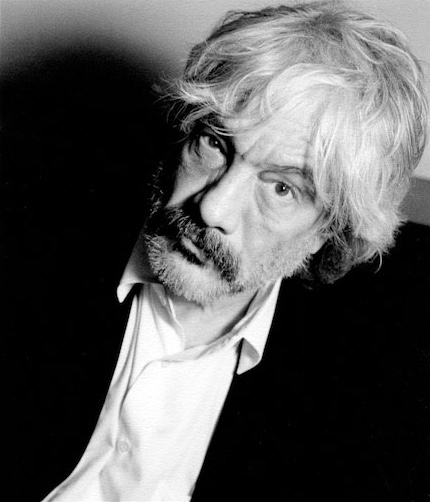
Its laboratories are alive with digital creatives, forward-thinking technicians, and promising young talents. And now, a new great name has found its final destination at Superstudio 13, in Via Forcella 13. With the authorization of the Milan Fine Arts Superintendency and the collaboration of art director Pier Paolo Pitacco, the archive of Giuseppe Pino (1940–2022), the unforgettable portrait photographer of jazz heroes and other iconic figures who defined an era, will once again bring his extraordinary work into the spotlight through exhibitions, books, talks, and other initiatives.
On September 13, 2022, Giuseppe Pino passed away in solitude. For those unfamiliar with his work, he was one of the greatest Italian photographers of the second half of the twentieth century. The news came to me unexpectedly and painfully. The last time I had seen Giuseppe was in 2014, during the presentation of his most important monograph, published by Damiani and launched at Giorgio Armani’s bookstore in Via Manzoni, Milan. We spoke at length because we had not seen each other for years, and I noticed he was already experiencing health issues.
Besides collaborating on several important fashion advertising campaigns and editorial projects for L’Uomo Vogue, we shared a passion for jazz. Since he — older than me — owned an extraordinary LP collection, I often visited him at his home in Via Santa Maria Fulcorina to listen to records and wander through endless conversations on every possible subject. Then he moved to America for many years, and we gradually lost touch.
After his death, the archive was placed under the protection of the Milan Cultural Heritage Authority as part of Italy’s cultural patrimony. I felt it was necessary to reassess and restore the value of his work, now largely unknown to younger generations and forgotten by many adults. I therefore began searching for his heirs in order to develop a program dedicated to preserving and promoting his legacy.
I also believed that the best place to safeguard Giuseppe’s archive and memory would be the legendary Superstudio 13 in Via Forcella, Milan. These are the studios where Italian and international photographic culture truly evolved in Italy — a place of excellence where Giuseppe himself always worked whenever he needed a studio in Milan. Gisella Borioli, fully aware of the value of Giuseppe’s work, immediately welcomed the idea of hosting the archive, and today we finally have a home from which to begin this important work of rediscovery.
A coincidence? Giuseppe died on the 13th — and now he is at 13.
The new headquarters of the Giuseppe Pino Archive in Via Forcella 13, Milan, has been made possible thanks to the generous support of Superstudio Group and is part of the cultural initiatives promoted and sponsored by the FLA – FlavioLucchiniArt Museum, open to visitors in Via Tortona 27. For information: Pierpaolo Pitacco pierpaolo.pitacco@gmail.com